What Happens During an Emergency Dental Visit?
A sudden toothache can make it difficult to eat, sleep, or focus on everyday tasks. A broken tooth or swollen gum can create even more worry, especially when you do not know what happens next.
Visiting an emergency dentist in Oxnard, CA, can help you find the cause of the problem and understand your treatment options. The appointment usually starts with questions about your symptoms, followed by an examination and any needed diagnostic tests.
Knowing what to expect can make the experience less stressful. Here is how an emergency dental visit usually works.
What Is Considered a Dental Emergency?
A dental emergency involves a problem that needs prompt professional attention. Some conditions cause severe pain, while others can damage a tooth or allow an infection to spread.
Common dental emergencies include:
- Severe toothaches: Persistent or intense pain may point to deep decay, nerve damage, or an infection inside the tooth.
- Knocked-out teeth: A permanent tooth that comes out after an accident needs immediate attention. Quick action may improve the chance of saving it.
- Broken or cracked teeth: A damaged tooth can expose sensitive inner layers and cause pain when you bite or chew.
- Dental abscesses: A pocket of infection near a tooth or gum can cause swelling, tenderness, and sometimes fever.
- Uncontrolled bleeding: Bleeding after a dental injury or procedure may need urgent professional care.
Facial swelling with fever also deserves prompt evaluation. If you have trouble breathing or swallowing, seek emergency medical care immediately.
Do not wait for severe pain before contacting a dentist. Some dental problems can worsen even when the discomfort seems manageable.
How Should You Prepare for an Emergency Dental Visit?
A little preparation can help your dentist understand the problem faster. You do not need to collect every document before seeking urgent care.
Start by calling the dental office and explaining what happened. Describe where the pain occurs, when it started, and whether you have swelling, bleeding, or sensitivity.
Before your appointment, consider these steps:
- Share your symptoms: Explain whether the pain is constant, sharp, or triggered by hot, cold, or sweet foods. Mention any recent injury or dental treatment.
- Bring important information: Carry identification, dental insurance details, and a list of current medications. Previous dental records can also help when available.
- Protect a damaged tooth: If a permanent tooth gets knocked out, hold it by the crown and avoid touching its root. Keep it moist in milk or an appropriate tooth-preservation solution if you cannot place it back safely.
- Avoid unnecessary delays: Do not postpone urgent treatment because you cannot find your insurance card or previous dental records.
Never try to force a damaged tooth into place. Your dentist can advise you on the safest next step.
What Happens During an Emergency Dental Visit?
An emergency appointment usually follows a clear process. The exact steps depend on your symptoms, medical history, and the condition of your teeth.
Step 1 – The Dental Team Asks About Your Symptoms
Your appointment usually begins with a short conversation. The dental team asks what happened and how long you have experienced the problem.
You may need to describe the location and severity of your pain. The dentist may also ask about swelling, bleeding, recent injuries, medications, and existing health conditions.
These details help the dentist understand which areas need closer attention.
Step 2 – The Dentist Examines Your Teeth and Gums
Next, the dentist checks the affected tooth and surrounding tissues. They may look for visible cracks, cavities, damaged fillings, gum swelling, or signs of infection.
The dentist may also check how your teeth fit together when you bite. Gentle pressure or other simple tests can help identify the source of discomfort.
This examination helps narrow down the possible causes of your symptoms.
Step 3 – You May Need Dental X-Rays or Other Tests
Some dental problems are difficult to identify through a visual examination alone. A tooth may look normal outside while decay or damage affects its inner structure.
Your dentist may recommend digital X-rays to examine the tooth roots, surrounding bone, and areas beneath the gums.
Depending on your symptoms, the dentist may also use temperature or tapping tests. These checks can help assess the condition of the tooth and its nerve.
Not every patient needs X-rays or every diagnostic test. Your dentist will choose the tests that fit your situation.
Step 4 – The Dentist Explains the Diagnosis and Treatment Options
After reviewing the examination and test results, your dentist explains what may be causing the problem.
You will learn whether the tooth needs immediate treatment or further evaluation. The dentist may discuss available options, expected costs, and possible follow-up appointments.
Ask questions if something is unclear. Understanding the treatment plan helps you make an informed decision about your care.
Step 5 – You Receive Treatment or a Follow-Up Plan
Some dental emergencies can receive treatment during the first appointment. Others need additional procedures or a separate visit.
Your dentist may provide pain relief, protect a damaged tooth, or begin treating an infection. If the problem requires more complex care, the dentist will explain the next steps.
Before leaving, make sure you understand your aftercare instructions and when to return. Contact the office if your symptoms worsen or new problems develop.
What Treatments Might You Receive During an Emergency Dental Visit?
The treatment depends on the cause and severity of your dental problem. Your dentist will recommend an option based on the condition of the affected tooth.
Common emergency dental treatments include:
- Dental fillings: A filling may repair a tooth with decay or minor damage. The dentist removes the affected material and restores the damaged area.
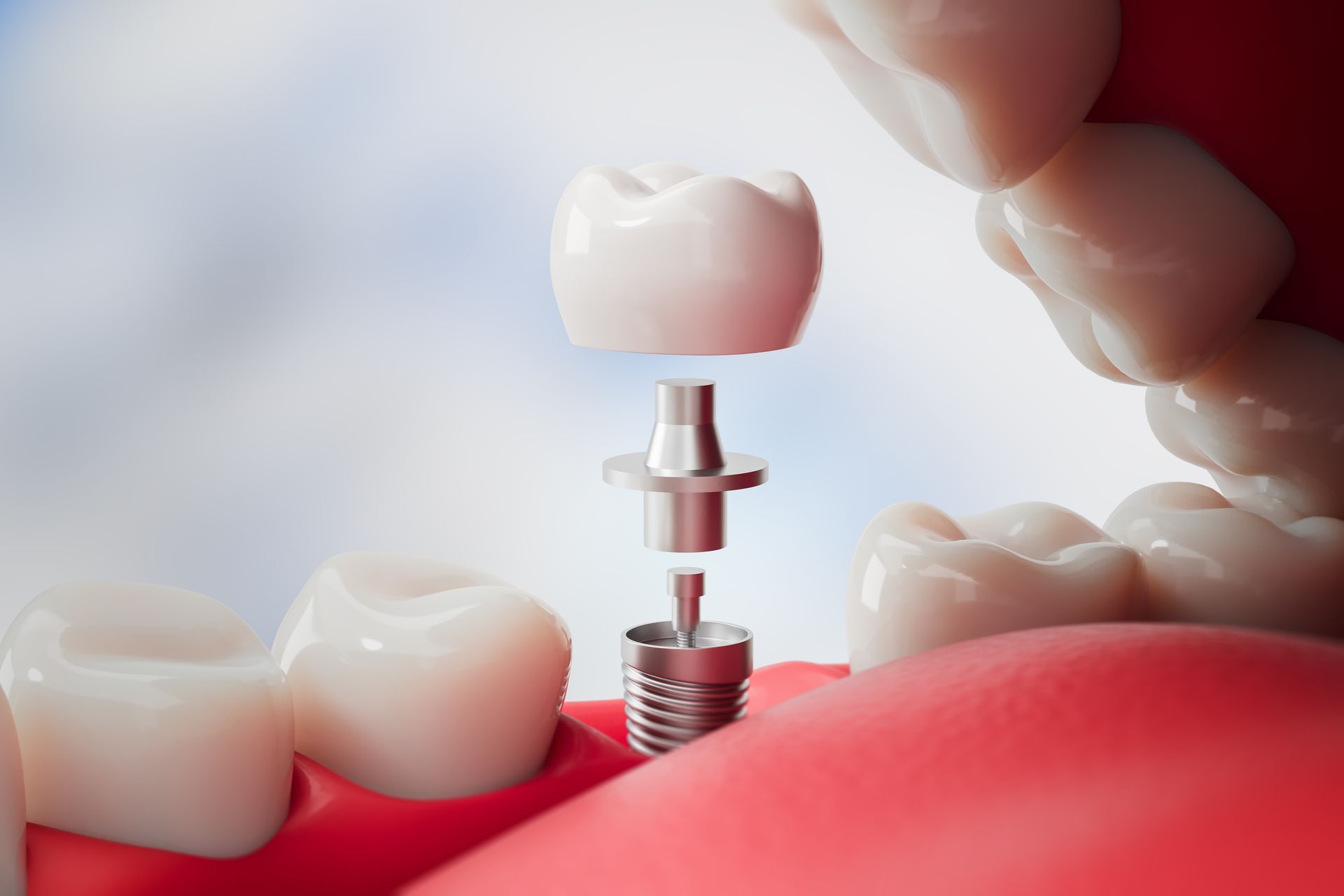
- Dental crowns: A crown may protect a severely damaged or weakened tooth. It covers the visible portion of the tooth and helps restore its shape and function.
- Root canal treatment: When infection or inflammation affects the inner pulp, root canal treatment may help save the natural tooth. The dentist removes the affected pulp, cleans the inside, and seals it.
- Tooth extraction: If a tooth cannot be restored, removal may be the safest option. Your dentist will explain whether replacement options may be needed later.
- Abscess treatment: A dental abscess may require drainage and treatment of its source. Antibiotics may be appropriate in certain cases, but they do not replace dental treatment.
You may not receive every treatment during one appointment. Some procedures require additional planning, healing time, or specialist care.
How Can You Prevent Another Dental Emergency?
Not every dental emergency can be prevented, but simple habits can lower your risk. Regular dental care also helps identify problems before they become more serious.
Try these practical steps:
- Schedule regular checkups: Routine examinations help your dentist identify cavities, damaged fillings, and early signs of gum disease.
- Wear a sports mouthguard: A properly fitted mouthguard helps protect your teeth during contact sports and other activities with injury risks.
- Avoid chewing hard objects: Ice, hard candy, and popcorn kernels can crack or chip your teeth.
- Treat early warning signs: Persistent sensitivity, loose fillings, and recurring tooth pain deserve professional attention. Do not wait until the discomfort becomes severe.
Small changes in your daily routine can help protect your teeth and reduce the risk of unexpected dental problems.
Why Choose a Local Emergency Dentist in Oxnard, CA?
When dental pain starts suddenly, finding care nearby can make the next steps easier. A local dental practice can help you understand your symptoms and discuss suitable treatment options.
Look for a dentist who clearly explains the diagnosis, available procedures, costs, and follow-up care. You should also ask about emergency appointment availability before visiting.
Choosing an experienced dentist in Oxnard, CA, can help you access dental care closer to home. Clear communication also helps you understand what to expect throughout treatment.
Conclusion
An emergency dental visit usually begins with a discussion about your symptoms. The dentist then examines your teeth, orders any needed tests, explains the diagnosis, and recommends suitable treatment.
Knowing these steps can make an unexpected dental appointment feel less stressful. If you experience severe tooth pain, swelling, or a damaged tooth, contact a qualified dental practice in Oxnard promptly. Getting the right care can help protect your oral health and prevent further complications.